
Understanding the psychology behind gambling decisions in a casino setting
The Role of Emotion in Gambling Decisions
Emotions significantly influence gambling behaviors, often overpowering rational decision-making. For many individuals, the thrill associated with gambling activates pleasure centers in the brain, releasing dopamine. This chemical reaction encourages them to continue gambling, even when faced with losses. Emotional highs experienced during wins can create a false sense of security, leading to increased betting. The excitement of the casino environment, with its flashing lights and sounds, further amplifies emotional responses, encouraging impulsive choices.
Additionally, emotions like hope and fear play pivotal roles in gambling. Gamblers often cling to the hope of winning, which can be a strong motivator for continuing to play, even after significant losses. Fear of missing out, or FOMO, can also lead individuals to make irrational decisions. For instance, players may increase their bets to chase losses, driven by fear of not capitalizing on potential wins. Understanding these emotional triggers is crucial for both gamblers and casino operators, as it shapes behaviors and influences outcomes.
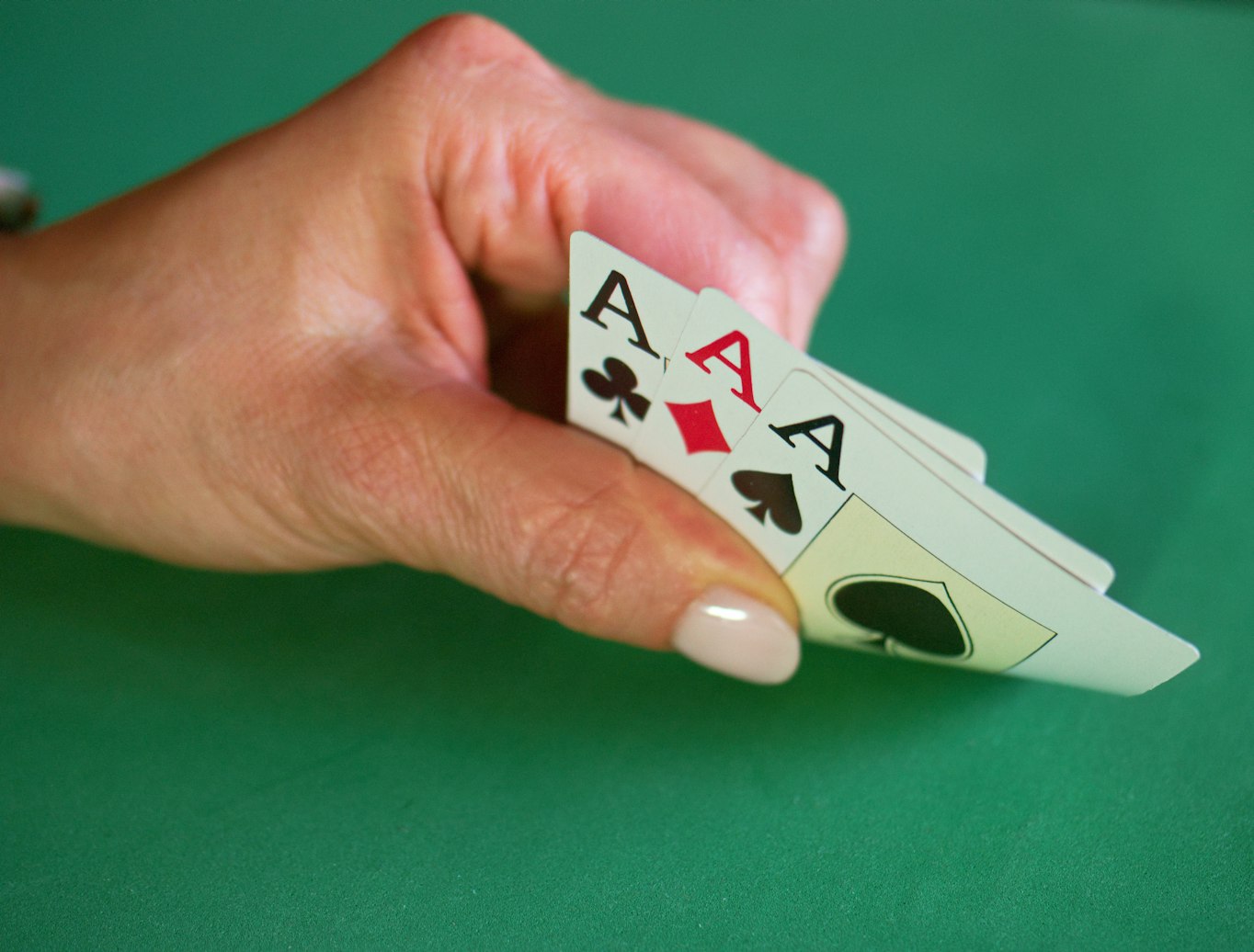
Moreover, the interplay of emotions and decision-making can result in what psychologists call “loss aversion,” where the pain of losing is felt more intensely than the pleasure of winning. This psychological phenomenon can lead individuals to gamble more in an attempt to recoup losses, often resulting in a downward spiral. By recognizing these emotional factors, gamblers can make more informed decisions and potentially curb excessive behaviors.
The Impact of Social Influences on Gambling
Social dynamics within a casino can heavily influence individual gambling decisions. The presence of friends or acquaintances can create a sense of camaraderie, encouraging players to engage in riskier betting behaviors. People often mimic the actions of those around them, which can escalate excitement and lead to increased gambling. This social reinforcement can create a supportive environment, but it can also mask unhealthy behaviors, making it difficult for individuals to recognize their limits.
Crowd behavior in a casino setting can also contribute to decision-making. The atmosphere of excitement, coupled with shared experiences of wins or losses, can drive players to make impulsive choices. When a nearby player hits a jackpot, it can induce feelings of envy or competition, leading others to increase their bets in hopes of replicating that success. This social influence can be both beneficial and detrimental, shaping a player’s approach to gambling in complex ways.
Moreover, the role of advertising and marketing cannot be overlooked. Casinos often use social proof in their marketing strategies, showcasing big winners and the experiences of happy gamblers. This can create a narrative that reinforces the idea of gambling as a social activity, enticing new players to join in. Ultimately, understanding these social influences is essential for gamblers, as they navigate their decisions within the context of shared experiences and communal behaviors.
Cognitive Biases in Gambling Choices
Cognitive biases are systematic patterns of deviation from norm or rationality in judgment. In a gambling context, biases such as the “gambler’s fallacy” can lead players to make poor decisions. This belief holds that past events can influence future outcomes, which often results in players increasing their bets after a series of losses, thinking they are “due” for a win. Such faulty reasoning can lead to significant financial losses and perpetuate a cycle of gambling.
Another common cognitive bias is overconfidence. Many gamblers believe they possess skills or knowledge that can influence the outcome of games of chance, such as poker. This overconfidence can lead to reckless betting behaviors, as players may not adequately assess their true odds of winning. Understanding these biases is crucial, as they can cloud judgment and lead to decisions that do not align with reality.
Additionally, the “illusion of control” plays a key role in gambling psychology. This is where individuals mistakenly believe that they can exert influence over random events, such as the roll of dice or the spin of a slot machine. This illusion can encourage gamblers to make more aggressive bets, believing they have a strategy that will improve their chances. Recognizing these cognitive biases can help individuals make more rational decisions and avoid the pitfalls of erroneous thinking.
The Environmental Factors of Gambling Behavior
The design and layout of a casino are strategically crafted to enhance the gambling experience and influence player behavior. Factors such as lighting, sound, and layout all play a significant role in the psychological impact on gamblers. Bright lights and engaging sounds create an energetic atmosphere that can heighten excitement and induce players to gamble longer and more frequently. Casinos are designed to minimize distractions from the outside world, creating a sense of immersion that can lead to extended gaming sessions.
Another aspect to consider is the availability of complimentary services, such as free drinks and meals, which can incentivize players to stay longer. While these offerings might appear generous, they often contribute to increased gambling as individuals feel encouraged to continue playing while enjoying the perks provided. This hospitality, while designed to enhance the experience, can lead to poor decision-making as players may lose track of time and money.
The physical presence of dealers and staff can also influence gambling decisions. Friendly interactions can create a welcoming atmosphere, encouraging players to engage more deeply with the games. However, this social interaction can inadvertently lead to increased betting as players feel compelled to socialize and impress others. Ultimately, environmental factors in a casino setting are meticulously designed to shape behaviors and influence gambling decisions in ways that can be both subtle and profound.
Exploring Safe Gambling Options with BetPro Exchange
As the landscape of gambling evolves, platforms like BetPro Exchange offer an alternative for those looking to engage in a responsible manner. This online betting platform provides users with various options, ensuring a safe and enjoyable gambling experience. With a focus on fair play and regulated practices, BetPro creates an environment conducive to responsible gambling, appealing to both new and seasoned players.
BetPro Exchange enhances the user experience with convenient payment methods and 24/7 customer support, ensuring that players have access to assistance whenever needed. This commitment to user satisfaction reflects a deeper understanding of the psychological aspects of gambling, allowing players to enjoy their experience without compromising their well-being. Furthermore, enticing bonuses serve to engage players while promoting a balanced approach to gambling.
Ultimately, platforms like BetPro Exchange exemplify how the gaming industry can adapt to the needs of players, focusing on responsible gambling. By understanding the psychology behind gambling decisions, both operators and players can contribute to a healthier gambling environment, fostering enjoyment while minimizing risks.
